From the President · Calls for Papers · Publications · Spotlight
From the President
Black Consciousness Day and Brazilian Studies · Consciência Negra e Estudos Brasileiros
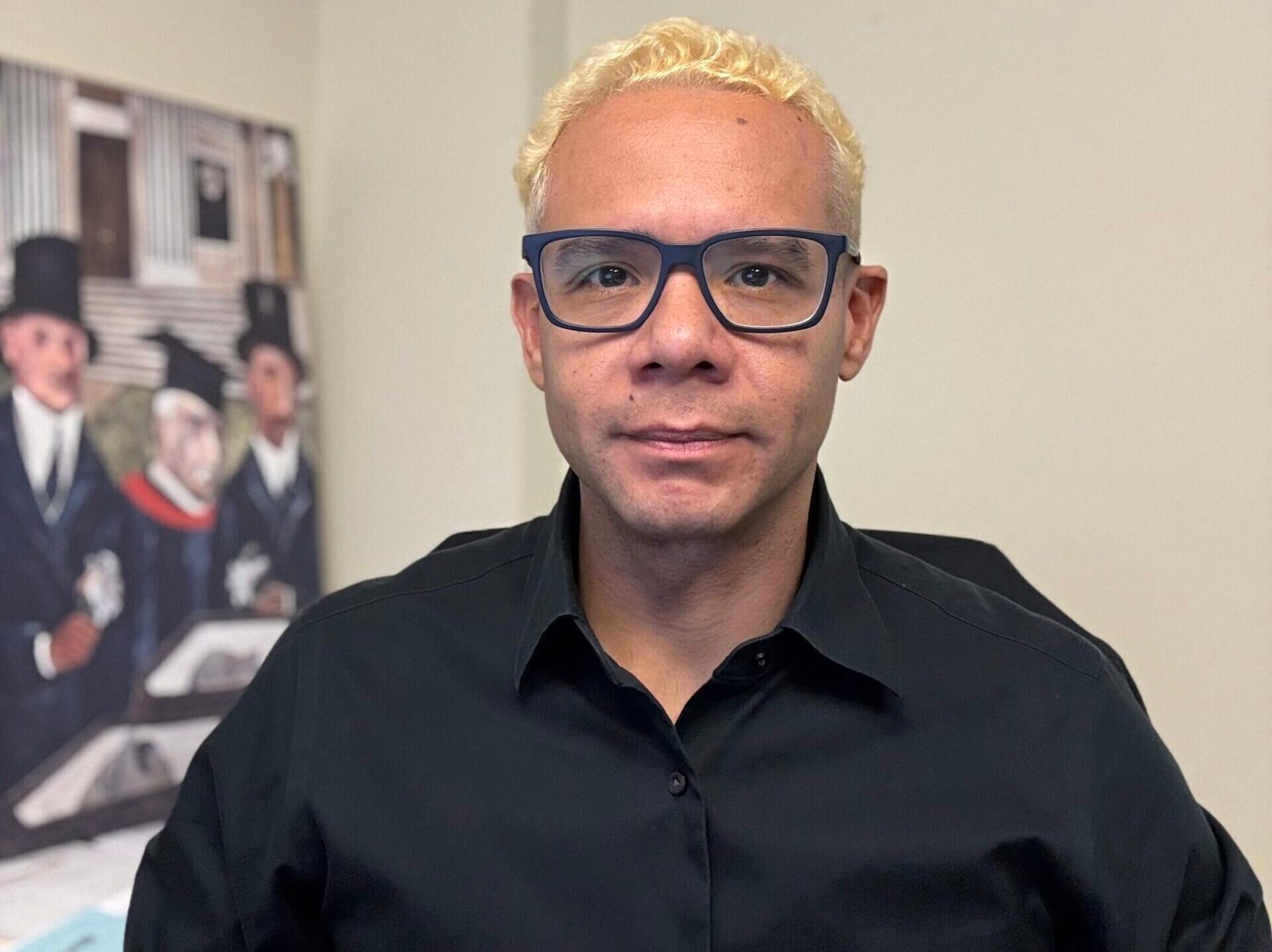
Black Consciousness Day offers an opportunity to reflect on the centrality of race in Brazilian Studies and on the transformations taking place within our own field. Since pioneering works such as Thomas Skidmore’s Black into White, race relations have occupied an important place in scholarship on Brazil, helping us understand the formation of Brazilian society, its hierarchies, and its contradictions.
This agenda remains as relevant as ever. Brazil continues to face profound racial inequalities, reflected in access to education, income, justice, and opportunities. At the same time, the country has witnessed significant advances and policy innovations, including affirmative action in higher education, offering valuable lessons for international debates on equality, inclusion, and reparative justice.
These transformations are also reshaping Brazilian Studies itself. Our field has become more diverse, with growing participation by Brazilian and Black scholars as protagonists in the production and circulation of knowledge, rather than merely as subjects of research about the country. One example was the gathering of Black Researchers in Brazilian Studies (Pesquisadores Negres em Estudos Brasileiros, PNEB), held just before BRASA XVIII in Salvador, which brought together participants from Brazil and the African diaspora to foster exchanges and build alliances. Initiatives like this broaden our perspectives, renew our research questions, and help challenge hierarchies that have historically shaped academic knowledge production about Brazil.
For BRASA, recognizing and advancing these changes is part of our commitment to building a truly shared and transnational academic space, where different experiences, voices, and intellectual traditions can engage on increasingly equal terms. On this Black Consciousness Day, we celebrate the progress achieved and reaffirm our commitment to this ongoing work.
Calls for Papers
Texto e ensino: reflexões sobre as novas práticas pedagógicas na cultura digital
Paraguaçu: Revista de Estudos Linguísticos e Literários, published by the Federal University of the Recôncavo da Bahia (UFRB), invites submissions for the thematic dossier Texto e ensino: reflexões sobre as novas práticas pedagógicas na cultura digital (Vol. 5, No. 1). The issue welcomes original research and reviews that explore the intersections of text, language teaching, and digital technologies, with particular attention to ethical and critical uses of information in educational contexts.
Suggested topics include text and disinformation, reading and writing in digital environments, critical digital literacies, media education in Portuguese language teaching, digital textuality and interaction, multiliteracies, digital genres, and argumentation in online contexts.
Guest editors: Jaqueline Barreto Lé (UFRB), Dennis da Silva Castanheira (UFF), and Janine Maria Rocha da Silva (UFLA).
Submission period: December 14, 2026–February 1, 2027.
Submission deadline: February 1, 2027.
Symposium: Imagining the Northeast through Brazilian Popular Art
The University of Leeds will host a hybrid symposium examining the cultural significance of Northeast Brazil through popular music, visual arts, and educational practices. Bringing together scholars from Brazil, the United States, and the United Kingdom, the event explores how artistic traditions from the region shape cultural memory, identity, and contemporary social engagement.
The symposium features presentations by Christopher Dunn (Tulane University) on Tom Zé’s creative engagement with northeastern traditions, Fábio Fonseca (Federal University of Uberlândia) on the woodcut art of Gilvan Samico and cordel literature, and Ivis Cunha (Federal University of Goiás/NEABI) on the use of Indigenous and Afro-Brazilian narratives to promote ethnic-racial education in Brazilian public schools. Sessions will be held in English and Portuguese.
Date: November 25, 2026.
Time: 2:00–4:00 p.m. (UK time).
Location: University of Leeds (Liberty Building G33) and online.
Languages: English and Portuguese.
Publications
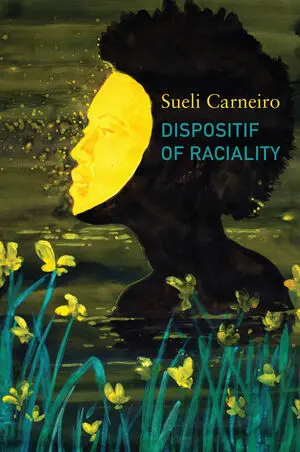
Dispositif of Raciality: The Construction of the Other as Non-Being
Written by Sueli Carneiro and published by Polity Press (2026), this English-language edition, translated by Lanie Millar with a foreword by Christen Smith, presents one of the Brazilian philosopher’s most influential analyses of race, power, and knowledge. Building on Michel Foucault’s concepts of biopower and the dispositif, while engaging Charles W. Mills’s theory of the racial contract, Carneiro develops the concept of the “dispositif of raciality” to explain the persistence of racial inequality and the myth of racial democracy in Brazil.
The book examines how racial domination operates through epistemicide—the denial of Black people as legitimate producers of knowledge—and through structures that sustain Black social subordination. At the same time, it highlights Black resistance, emphasizing collective memory, autonomy, and political struggle as the foundations for confronting racial oppression.
Author: Sueli Carneiro.
Translator: Lanie Millar.
Foreword: Christen Smith.
Publisher: Polity Press.
Year: 2026.
Focus: Race, Black thought, epistemicide, political philosophy, and Brazilian society.
“When Will We Be the Ones to Decide?” The Struggle for Abortion Rights During Brazil’s Democratic Transition
Published in Latin American Research Review, this article by Meg Weeks and Cassia Roth offers one of the first comprehensive studies of the feminist movement to decriminalize abortion during Brazil’s democratic transition in the 1980s. Drawing on underutilized archival collections and oral histories, the authors examine how the rise of the anti-abortion Christian right, political moderation during democratization, and the institutionalization of feminist activism shaped the movement’s strategies and outcomes.
The article also explores tensions within the feminist movement, including debates over political strategy, state collaboration, and the challenges of building multiracial and multiclass coalitions. It argues that these dynamics limited efforts to establish abortion as a constitutional human right during the drafting of Brazil’s 1988 Constitution.
Authors: Meg Weeks and Cassia Roth.
Journal: Latin American Research Review.
Volume: 61, no. 3 (2026).
Pages: 623–642.
Focus: Feminism, abortion rights, democratization, social movements, and modern Brazilian history.
Spotlight
55 Years of Black Consciousness Day: Rethinking Brazilian Studies · 55 anos do Dia da Consciência Negra: repensando os Estudos Brasileiros
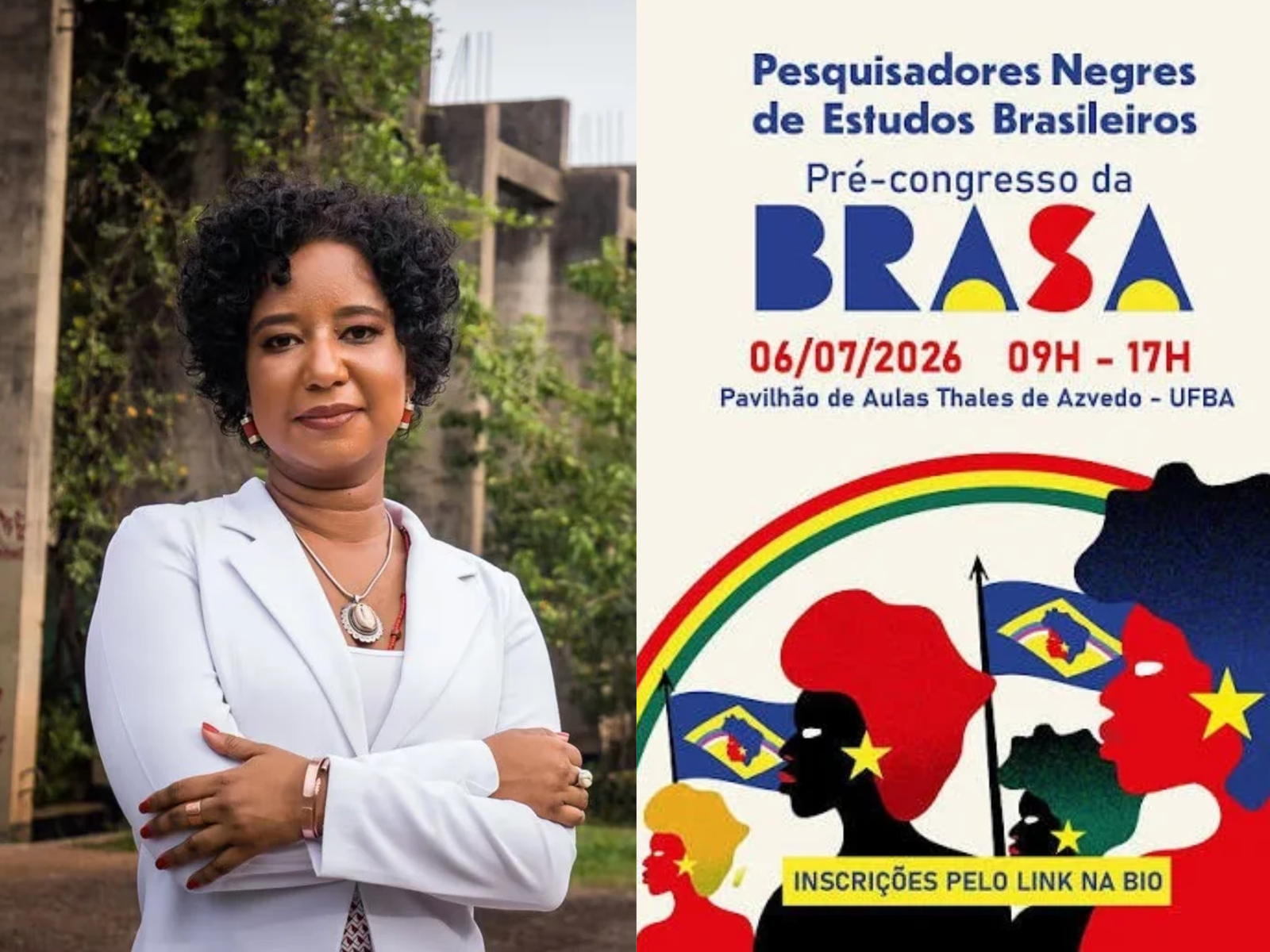
In a special guest contribution to BRASA, historian Ana Flávia Magalhães Pinto, professor at the University of Brasília (UnB), reflects on the 55 years since November 20 was first observed as Black Consciousness Day. She highlights the role of Black intellectuals and activists in reshaping historical memory, advancing antiracist policies, and transforming academic knowledge about Brazil.
The article argues that these developments call for a political and epistemological reconfiguration of Brazilian Studies. Beyond increasing the representation of Black scholars, this means recognizing their contributions to new research questions, theoretical perspectives, and forms of knowledge circulation. The gathering of Black Researchers in Brazilian Studies (PNEB), held just before BRASA XVIII in Salvador, offers a concrete example of this ongoing transformation.
Drawing on the intellectual contributions of Lélia Gonzalez and Milton Santos, Pinto also examines how linguistic and academic hierarchies constrain the international circulation of Black Brazilian scholarship. Her essay invites us to rethink Brazilian Studies as a more plural, interconnected field that fully recognizes the intellectual leadership of those who have long contributed to its transformation.