
President
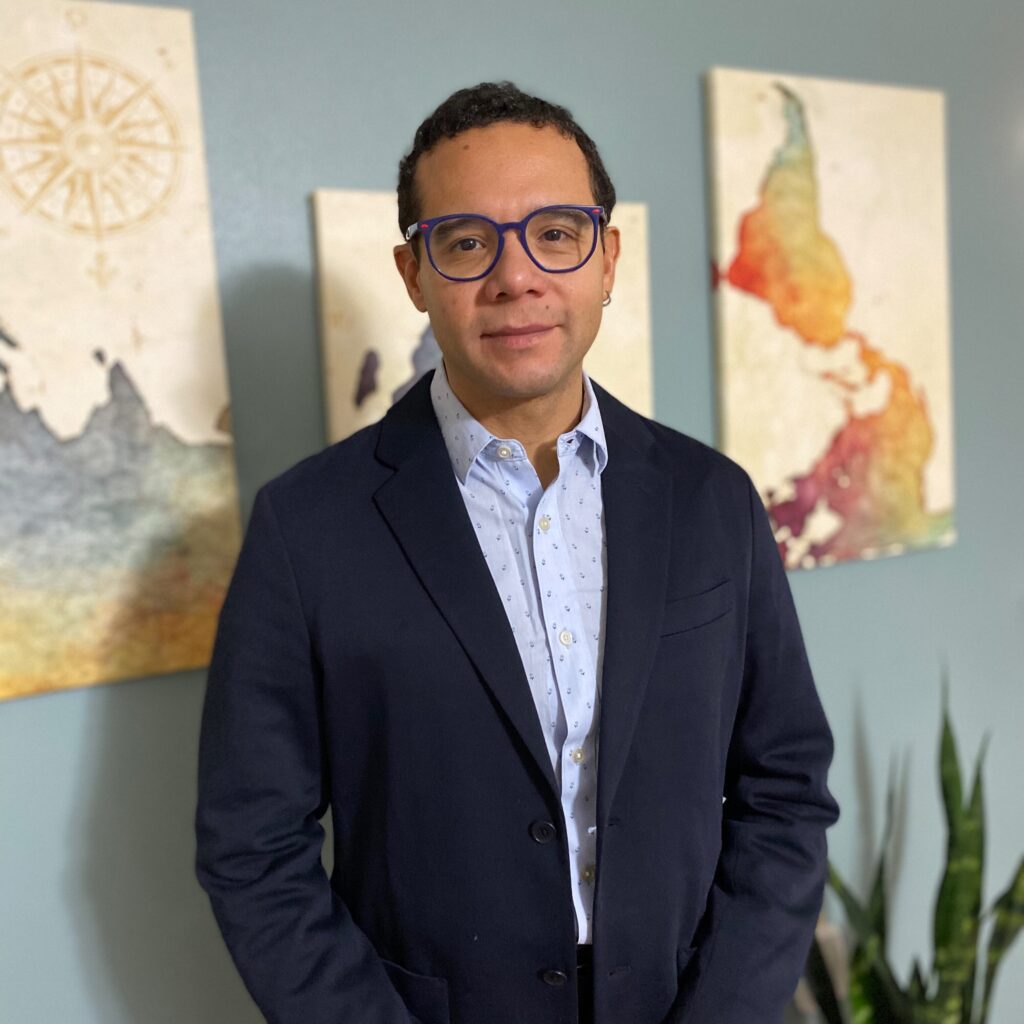
Fabio de Sa e Silva is Associate Professor of International Studies and the Wick Cary Professor of Brazilian Studies at the University of Oklahoma and an affiliated fellow of Harvard Law School’s Center on the Legal Profession.
Fabio is the author of high-impact studies on law, lawyers, and democracy. His article From Carwash to Bolsonaro examines the “political grammar” produced and disseminated by Brazilian legal officers through the lava jato anticorruption initiative. This article received extensive media coverage in Brazil and became the most-cited and most-downloaded article in the Journal of Law and Society for the year 2020. His next major article, Relational Legal Consciousness and Anticorruption, maps the cultural schemata coproduced through interactions between the prosecutors ahead of lava jato and their followers on Facebook. This article was the theme of a full-page interview in the Brazilian newspaper Folha de Sao Paulo and won the Law & Society Association’s best article award in 2022.
Currently, Fabio is one of the conveners of the Project on Autocratic Legalism (PAL), an LSA International Research Collaborative that is designing comparative research on how rising autocrats in Brazil, India and South Africa use law to amass power and what can be done to stop their moves. In this capacity, he also hosts the PAL Cast, a podcast series where he interviews lead scholars on law and (un)democratic politics.
Fabio is also an institution builder. He co-directs the OU Center for Brazil Studies; is a member of BRASA’s Executive Committee; and a Trustee of the Law and Society Association (LSA), Class of 2023. If elected to BRASA’s Vice Presidency, he will work to ensure that the Association remains an influential voice in Brazilian affairs in Brazil and the US and that the Brazilianist community offers a meaningful contribution to the understanding of Brazilian issues, at a time when the country tries to return to a path of inclusive, sustainable, and democratic development.
Fabio is frequently sought after by the media to comment on Brazilian affairs. His latest appearances include outlets such as BBC News, the Washington Post, Radio France International, The Intercept, and The World; in addition to Brazilian vehicles such as Rede TV, Folha de São Paulo, UOL, The Intercept Brasil, Correio Braziliense, and O Globo
Vice President
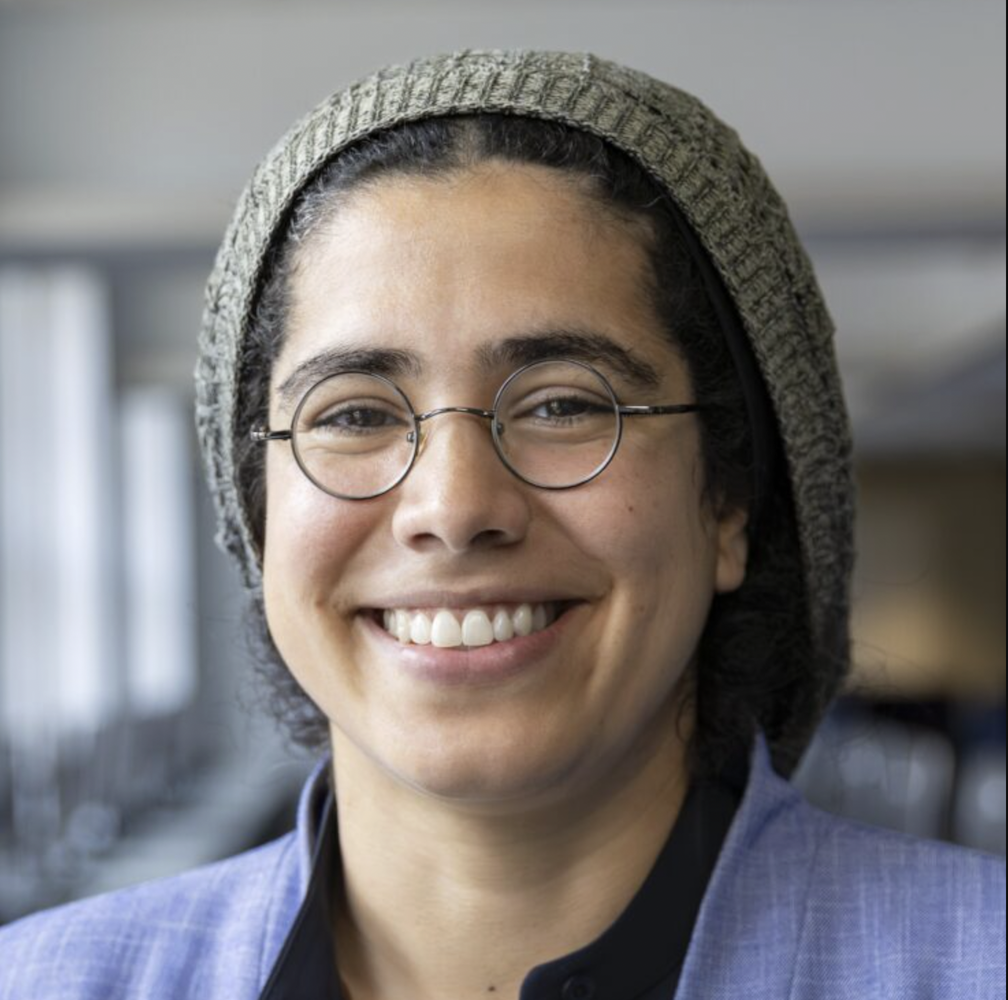
I am an Associate Professor of Public Policy and Research Methods at Baruch College – City University of New York. I received a doctorate degree in Public Policy and Political Economy from the University of Texas at Dallas (UTD), where I also earned an M.A. in International Political Economy. Prior to joining Baruch College, I was a post-doctoral research fellow at UTD, where I researched and published on Brazil’s affirmative action initiative and effectiveness. I was also a visiting lecturer for the Program in Latino Studies at Princeton University. My path into Brazilian Studies is deeply personal. I immigrated to the U.S. from Brazil in 2000, and while I built my academic career in the U.S., I have remained closely tied to Brazil—speaking Portuguese at home, traveling frequently to Brazil, and grounding my scholarship in Brazilian social issues. My PhD dissertation examined the access of Black and Brown students to public universities in Brazil and their performance on the ENEM exam (a university entrance exam)—an issue close to my heart as a first-generation college student. Since then, my research has continued to focus on Brazil and Latin America, engaging questions of inequality, race, and quality of life. On its broadest level, my work applies advanced quantitative methods and socioeconomic theory to investigate the impact of policies on underrepresented and marginalized groups, providing empirical support for formulating policies addressing socioeconomic inequalities due to race, class, and gender in social, political, and religious institutions. I am also a fellow of the Washington Brazil Office and member of the U.S. Network for Democracy in Brazil.
Past President
Erika Robb Larkins
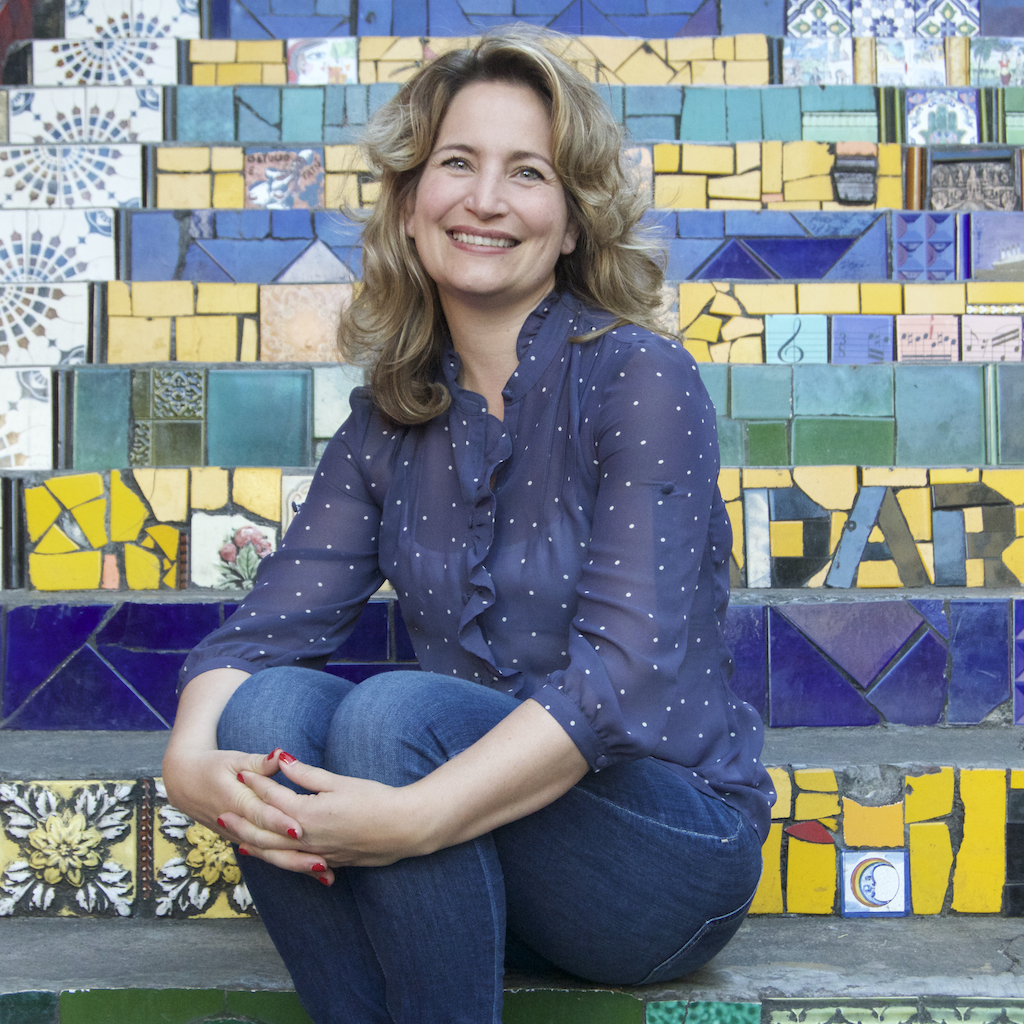
Dr. Erika Robb Larkins is Professor of Anthropology and Director of the Behner Stiefel Center for Brazilian Studies at San Diego State University. She received her doctorate in Cultural Anthropology from the University of Wisconsin, Madison and also holds a M.A. in Latin American Studies from the University of Chicago. Larkins’ research and teaching focuses on violence and inequality in urban settings. Her first book, The Spectacular Favela: Violence in Modern Brazil (U California Press 2015), explores the political economy of spectacular violence in one of Rio’s most famous favelas. A second book, The Sensation of Security: Private Guards and Social Order in Brazil (Cornell 2023), examines how the private security industry produces urban inequality. She has also published on issues of race, gender, and politics in Brazil, with recent articles appearing in American Ethnologist, City and Society, and the Journal for Latin American and Caribbean Anthropology, and in public outlets including El País and Al Jazeera.
Larkins’ is currently working on a new National Science Foundation funded research project on the intersection of extreme heat, environmental racism, and inequality in Rio de Janeiro. She was recently awarded a National Endowment for the Humanities grant to co-teach the second iteration of the NEH Summer Institute, “Race, Modernity and Urban Spaces in Brazil” for higher education faculty in 2022.
Larkins is committed to advancing scholarship on Brazil across academic fields. In her work as the director of an interdisciplinary Brazilian Studies center, she fosters collaborative research between scholars in the humanities and social sciences and areas as diverse as Engineering, Public Health, Education.

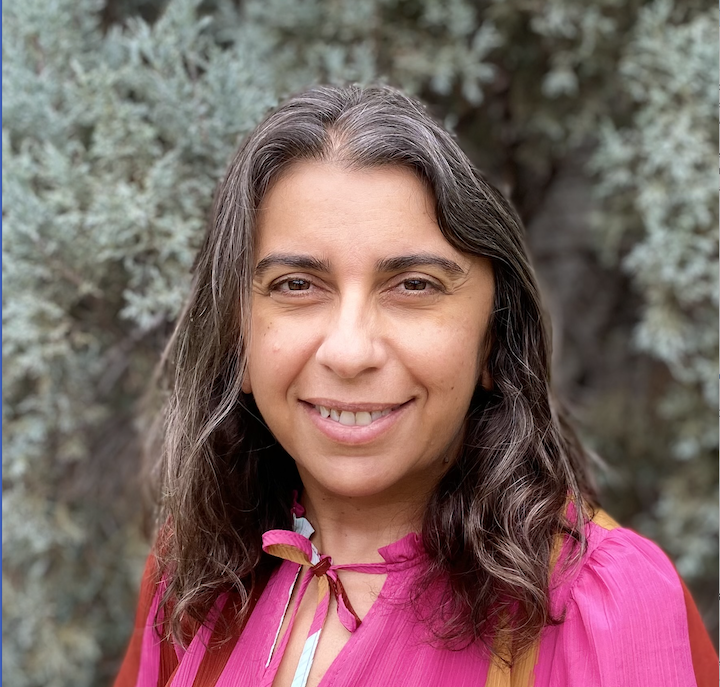
Lígia Bezerra
I was born in Várzea Alegre, Ceará, Brazil, and moved to the United States in 2006, where I completed a master’s degree in Portuguese at the University of New Mexico and a PhD in Portuguese with a concentration in Cultural Studies at Indiana University. I also hold a master’s degree in Linguistics from the Federal University of Ceará. I have taught Portuguese, English, and Linguistics in Brazil, and Portuguese, Spanish, Lusophone literature and culture, and Latin American literature and culture in the United States. My research interests include consumption, everyday life, neoliberalism, and democracy. I have published articles in journals such as Chasqui, Journal of Lusophone Studies, Estudos de Literatura Brasileira Contemporânea, Luso-Brazilian Review, and Cultural Studies. My book, Everyday Consumption in Twenty-First-Century Brazilian Fiction (Purdue University Press, 2022), is the first in-depth study to map the representation of consumption in contemporary Brazilian prose, highlighting how our interactions with commodities connect seemingly disparate areas of daily life—such as eating habits, the rise of prosperity theology, and notions of success and failure. I am currently writing a second book that focuses on how Brazilian popular music articulates resistance to anti-democratic forces in the twenty-first century. I began attending BRASA conferences as a graduate student and am grateful for the many opportunities the association’s conference has provided me throughout my career. As a member of the BRASA executive committee, it would be an honor to contribute to the association’s mission by helping to build community and continuing to open doors for future generations of researchers in the field of Brazilian Studies.
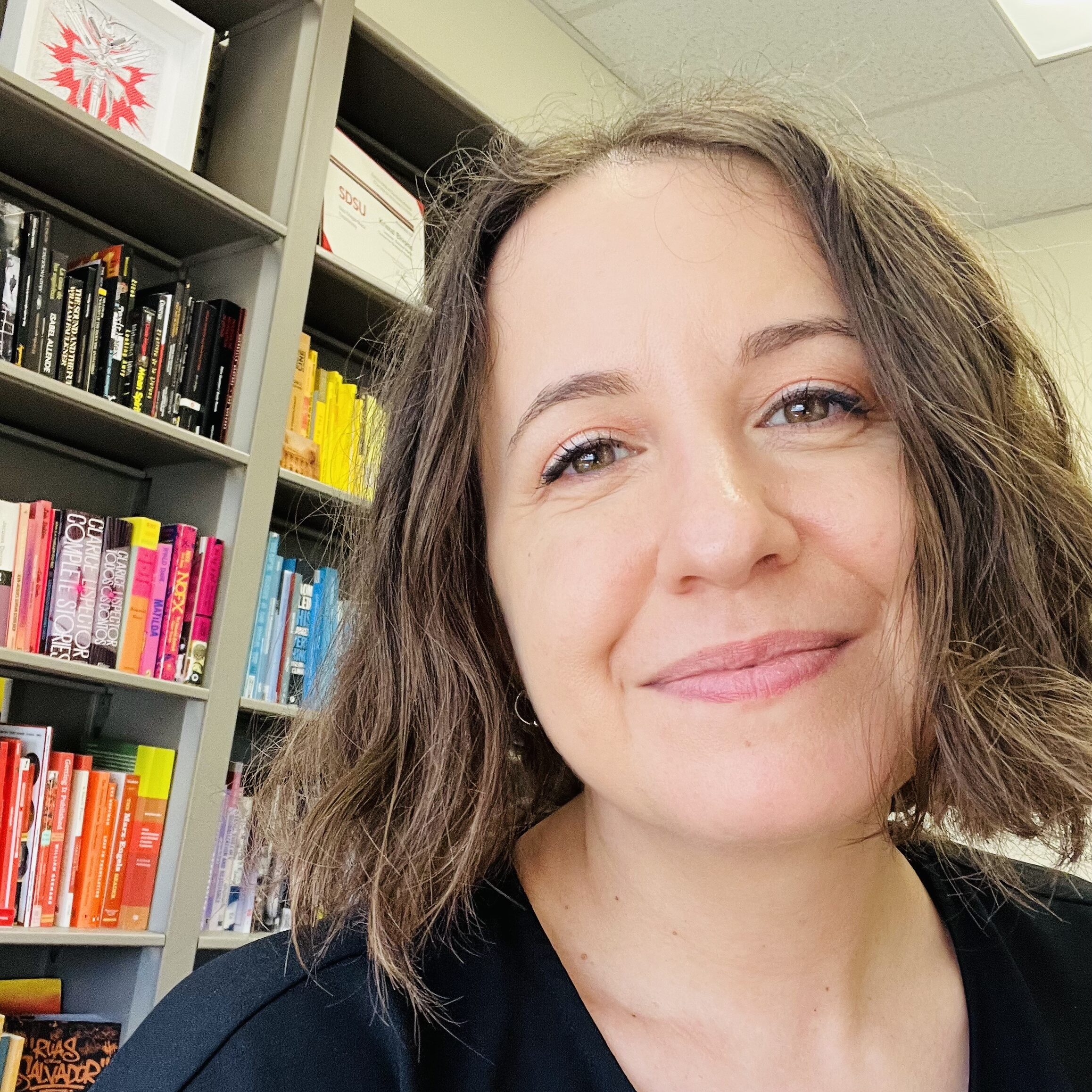
Kristal Bivona
Kristal Bivona is Assistant Professor in the Department of Classics and Humanities and associate director of the Behner Stiefel Center for Brazilian Studies at San Diego State University, where she designed and launched a bachelor of arts program in Brazilian Studies and produces the award-winning digital humanities platform, the Digital Brazil Project. She has programmed the SDSU Brazilian Film Series since 2020 and programmed the Brazilian Film Series at UCLA in collaboration with the Consulate General of Brazil in Los Angeles from 2019-2020. Bivona previously taught at UCLA as a faculty fellow in the Department of Spanish and Portuguese and worked in the Center for Brazilian Studies. She holds a doctorate in Hispanic languages and literatures and a masters in Portuguese from UCLA and a masters in comparative literature from Dartmouth College. Her research broadly looks at how visual culture (including cinema, visual art, graffiti, and pixação) intervenes cultural memory. Bivona’s current book project, “Democracy out of Focus: Political Memory and Post-Dictatorship Brazilian Cinema,” examines the formation of political memory of Brazil’s most recent military dictatorship and the role of audiovisual production, shedding light on how cinema in Brazil has contributed to or challenged the memories and discourses that dominate the collective imaginary from the democratic transition to today. She has articles published in Luso-Brazilian Review, Ciberletras, Memory Studies, and Latin American and Latinx Visual Cultures and forthcoming in Studies in Spanish and Latin American Cinemas.
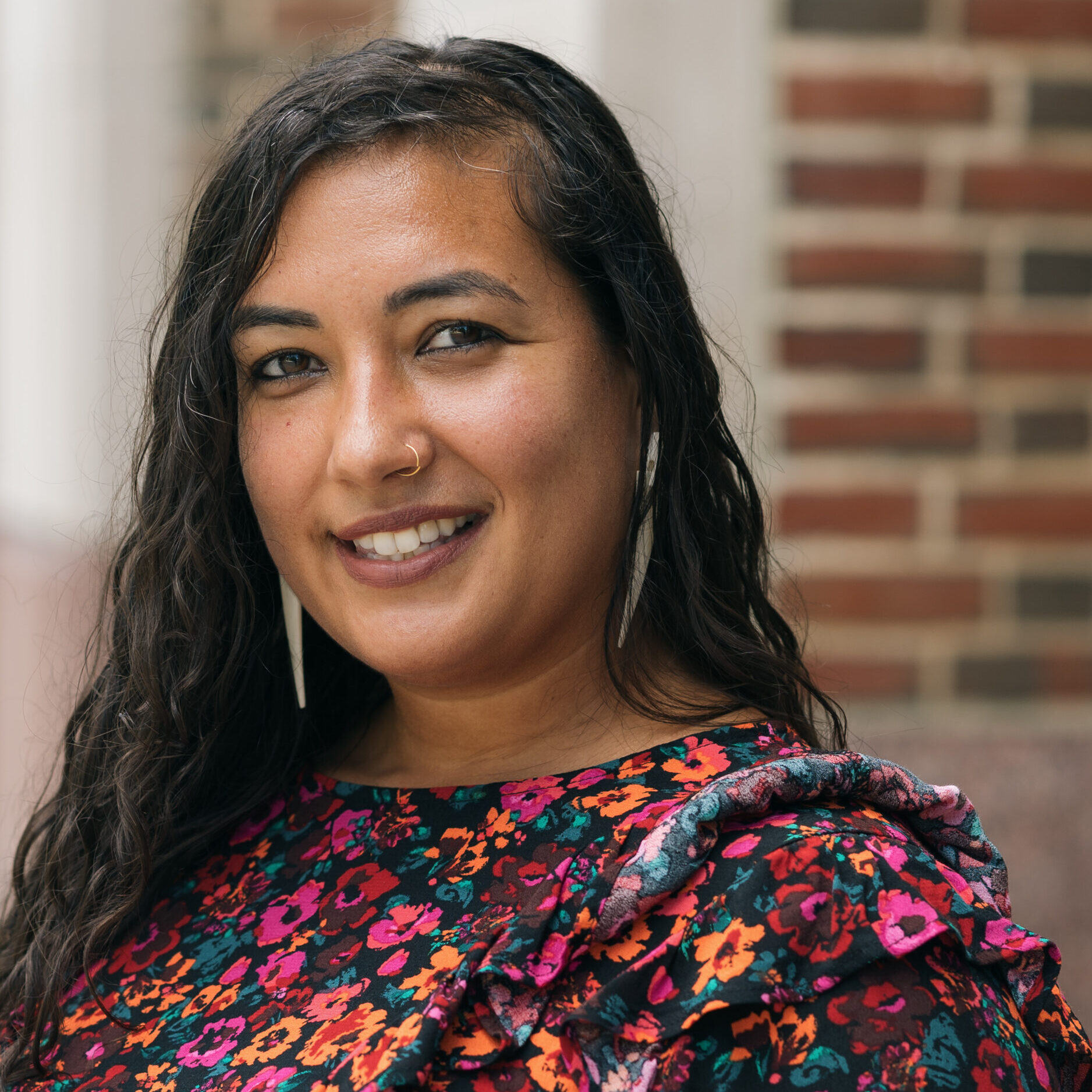
Vanessa Castañeda
Vanessa Castañeda is Assistant Professor of Afro-Latin American Studies at Davidson College with a joint appointment in Africana Studies and Latin American Studies. She was the Guarini Dean’s Postdoctoral Fellow in Afro-Latin American Studies at Dartmouth College from 2021-2023, after earning her Ph.D. in Latin American Studies from Tulane University. Her research centers on the baianas de acarajé, predominantly older, working-class Black women who are street vendors in Salvador, Brazil, that sell typical regional foods with culinary origins in West Africa. They also have come to exist as central icons of African heritage tourism and cultural figures of regional and national Brazilian identity. Using interdisciplinary methodologies, including archival research and twenty months of community-based ethnographic fieldwork with the National Association of Baianas (ABAM), her forthcoming manuscript, tentatively titled Tabuleiros of Resistance: A Reconceptualization of Brazil’s Baianas de Acarajé reconsiders baianas—through their profession and grassroots advocacy—as political agents of Black feminism for self and collective liberation. Her publications include “Mucamas or Baianas?: Black Female Empowerment and Cultural Representation in Bahia” in The Latin Americanist Annals Issue, which received Honorable Mention in the Best Article Prize in the Social Sciences by the Brazilian Studies Association. Her research has been supported by the Brazilian Studies Association (BRASA) Initiative Scholarship, the Tinker Foundation, and the US Fulbright Program. She is also currently a Future of Food Fellow with the Society for the Anthropology of Food and Nutrition (SAFN) with the American Anthropological Association (AAA) and a Racial Justice Pedagogy Fellow with the Association for the Study of Food and Society (ASFS). As a first-generation student, Vanessa is very committed to mentorship and educational equity, and was the founder of the Undocumented Student Support Committee at Tulane University.
Ben Cowan
Ben Cowan is a Professor of History at the University of California, San Diego (UCSD). He received his bachelor’s degree from Harvard University and his PhD from UCLA. He has written extensively on right-wing radicalism, morality, sexuality, and authoritarianism in Brazil, focusing on cultural and gender history in the post-1964 period. He has authored two award-winning books on these topics: Securing Sex: Morality and Repression in the Making of Cold War Brazil (2016) and Moral Majorities Across the Americas: Brazil, the United States, and the Creation of the Religious Right (2021). These books have won a total of five major book awards, including the Roberto Reis Prize for Moral Majorities (2022). Ben is currently conducting research for a third project: a book on the histories of mountaineering and hiking “from the South,” revealing Brazil’s indispensable role in defining and challenging hegemonic narratives regarding sport, space, land, geography, and recreation.
Sheyla Castro Diniz
I am a Professor and collaborating Researcher in the Department of History at FFLCH/USP, where I recently completed, with a FAPESP scholarship, the postdoctoral project “Metá Metá: sociocultural knowledge through contemporary song”. A sociologist and musician, with a master’s and doctorate from Unicamp, I conduct research on Brazilian popular music from the 1960s to the present, with an emphasis on the relationships between recorded music, politics, modernism, youth, experimentalism, and the Afro-diaspora. I was a visiting researcher at the Université de Versailles Saint-Quentin-en-Yvelines (France, 2013-2014) and at Tulane University (USA, 2024-2025). Among other works, I am the author of the book “De Tudo que a Gente Sonhou: Amigos e Canções do Clube da Esquina” (Intermeios/Fapesp, 2017) and the thesis “Desbundados e Marginais: MPB e Contracultura nos Anos de Chumbo (1969–1974)”, currently under review for publication. At USP, I work on consolidating the research line “Sociology of Music” and coordinate the extension project “Seminars on Listening and Studies in Popular Music”.
As a member of BRASA since 2012, I have been able to establish dialogues with researchers from various countries, participate in qualified debates about contemporary Brazil, improve my research, and internationalize its results. The international circulation and visibility that BRASA congresses provide have brought important gains to my academic career, which motivates my candidacy for the Executive Committee, in order to reciprocate and contribute to initiatives that strengthen the Association’s objectives. I will seek to promote artistic and cultural activities at the biennial congresses; To stimulate funding opportunities for the participation of Brazilian graduate students and researchers; to encourage the involvement of activist intellectuals in order to bridge theory and social practice; to value racial and gender diversity; to assist with bureaucratic tasks; and to expand dissemination channels.
I will participate in the congress in Salvador (2026), and I am excited about the possibility of joining the BRASA Executive Committee to work on these proposals and collaborate in the organization of the 2028 and 2030 congresses.
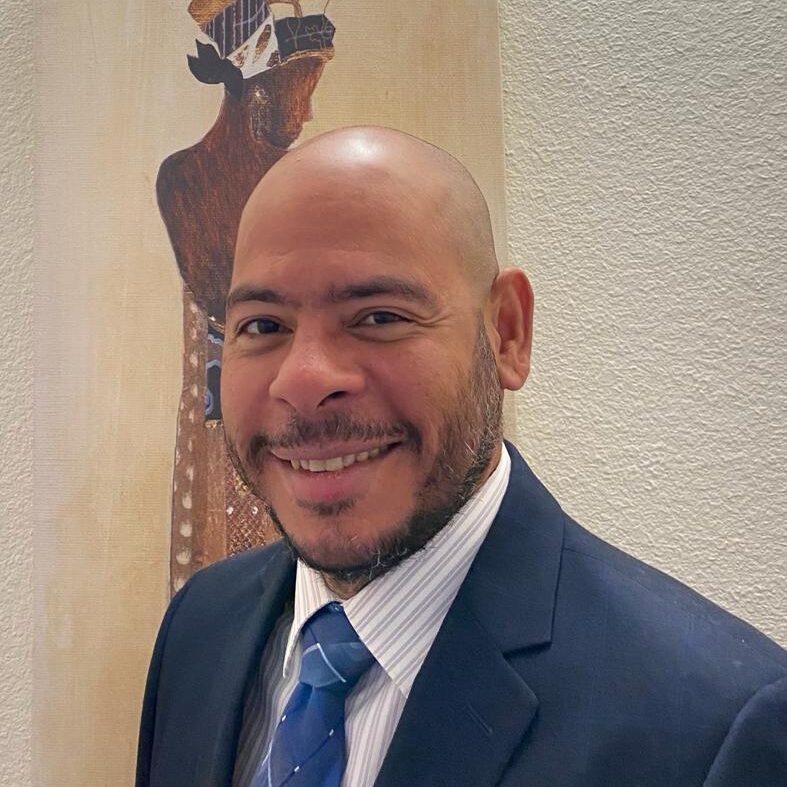
Paulo Dutra
I’m an Assistant Professor of Portuguese and Spanish at the University of New Mexico where I currently serve as the director of undergraduate studies for the department of Spanish and Portuguese. Brazilian rap is the focus of my current book project titled Reclaiming Blackness in Brazilian rap; however, I also examine racial issues in the works of Machado de Assis, and of contemporary afro-Brazilian women poets. I have published several articles on the three subjects. I am co-editor of a forthcoming issue of Machado de Assis em linha that explores race and slavery in his works. Last year, I worked as a consultant for Editora Todavia’s forthcoming collection “Todos os livros Machado de Assis” sponsored by Itaú Cultural. In addition to my work as a researcher, I keep an active production as a creative writer, which I believe informs my work as a scholar and teacher. My poems and short stories can be found in recent issues of Cadernos Negros and also in my two books: Aversão oficial: resumida and abliterações, both published by editora Malê (Rio de Janeiro). The latter was semifinalist of Oceanos Prize in 2020. Reflecting upon my journey, I like to believe that I am a side effect of a self-legitimated system of privileged cultural representation that drove me into becoming a non-traditional college student, an addict to short story writing and reading, a poet, and a teacher/scholar in order to escape performing activities, for a living, that some machine could easily accomplish. If elected to BRASA’s executive committee I would draw from my experience as former Executive Director of Scolas and as a current member of APSA’s executive committee to work collaboratively with members in order to foster the exchange of ideas that would support the mission of the Association.
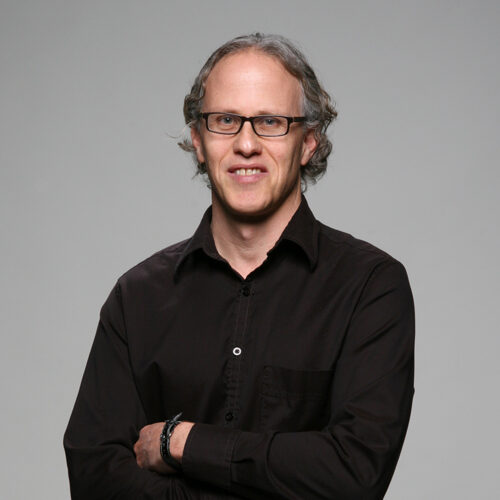
Seth Garfield
Seth Garfield received his Ph.D. in Latin American history from Yale University. He is currently Professor of History at the University of Texas at Austin and former director of the Brazil Center at the Lozano Long Institute for Latin American Studies (2018-22) and the Institute for Historical Studies (2013-17). Garfield also serves as Associate Editor of the Oxford Encyclopedia of Brazilian History and Culture and Varia História and Senior Editor of The Americas. His primary areas of expertise within Brazilian history include Indigenous studies, environmental history, migration and comparative Frontiers, and the history of food and drugs. Garfield is the author of Indigenous Struggle at the Heart of Brazil: State Policy, Frontier Expansion, and the Xavante Indians, 1937-1988 (Duke, 2001), published in Portuguese translation as A luta indígena no coração do Brasil: política indigenista, a Marcha para o Oeste, e os índios xavante, 1937-1988 (Unesp, 2011). His second monograph, In Search of the Amazon: Brazil, the United States, and the Nature of a Region (Duke, 2014) received Honorable Mention for the American Historical Association’s Conference on Latin American History’s Bolton-Johnson Prize (2014). His most recent book Guaraná: How Brazil Embraced the World’s Most Caffeine-Rich Plant (University of North Carolina Press, 2022), received Honorable Mention for the Sergio Buarque de Holanda Prize for the Best Book in the Social Sciences from the Brazil Section of the Latin American Studies Association and was named the “Best in the World” in Drinks History by the Gourmand World Cookbook Awards. Garfield’s articles have appeared in the Hispanic American Historical Review, Revista Brasileira de História, and the Journal of Latin American Studies and his research has been funded by the Fulbright Commission, the National Endowment for the Humanities, and the Mellon Foundation.
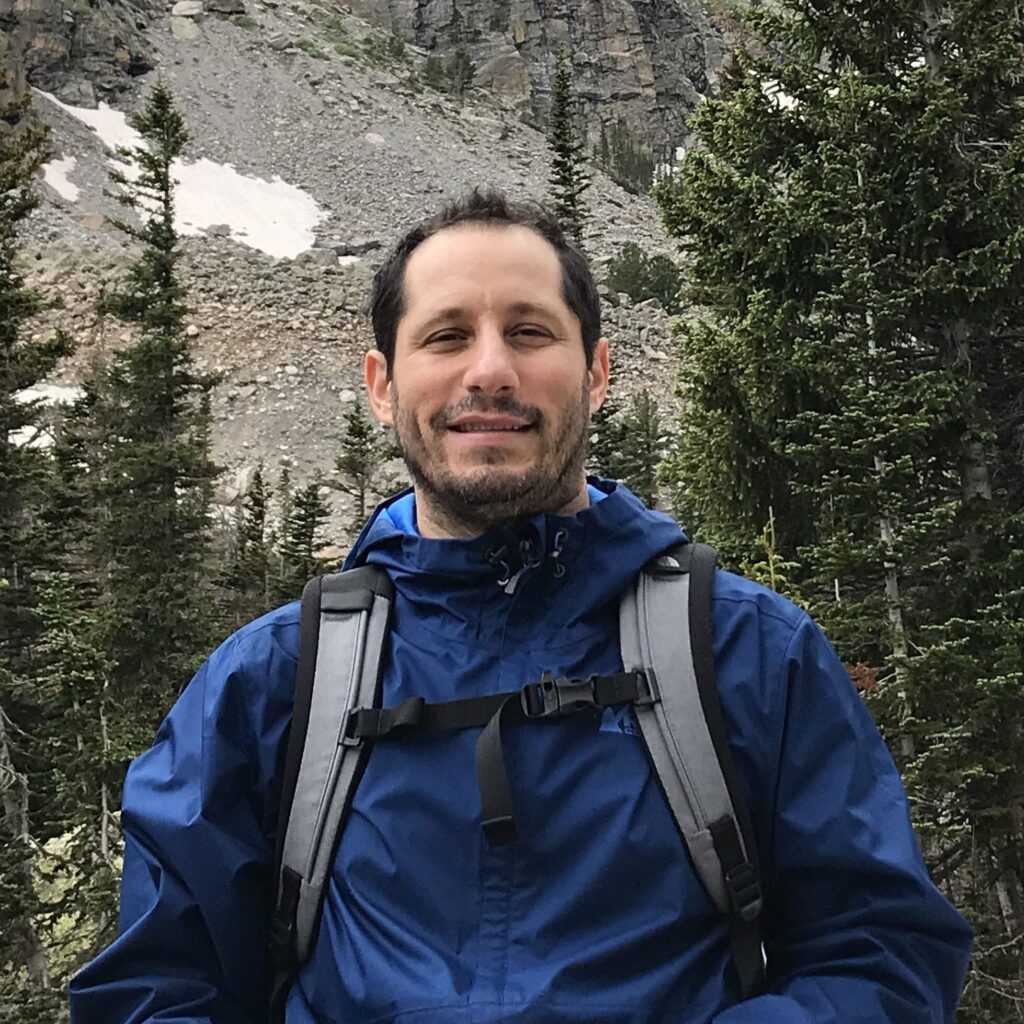
Marc Hertzman
Almost twenty years ago, at the 2004 conference in Rio de Janeiro, BRASA helped me enter the academic world. I view running for the Executive Committee as a small way to give back for the immense intellectual generosity I have received from the organization and its members. As a doctoral student, I presented my first paper at that conference, having already benefited from the incredible help and kindness of others. Much has changed in the Brazilian and North American academic worlds over the last two decades, yet both function best when diverse voices are heard and can come together in a broader, shared intellectual conversation. As a BRASA representative, I would prioritize initiatives to bring new voices into this conversation—something I have already prioritized as co-editor of the Luso-Brazilian Review (where I helped establish the first Emerging Scholars Article Incubator) and as a faculty member, first at Columbia University and, for the past decade, at the University of Illinois Urbana-Champaign. My research focuses on the African diaspora in Brazil, and I have also begun researching and writing about Indigenous and African history. Although I am a historian by training, my work spans multiple disciplines, and I publish in various fields, including Ethnomusicology, Latin American Studies, and Cultural Studies. I have also benefited immensely from exchanges and collaborations with Brazilian colleagues, with whom I have published both scholarly and public-facing work. While my early research was based in Rio de Janeiro, my recent and current projects highlight Bahia, Pernambuco, Paraíba, and Rio Grande do Norte; I strongly believe in the importance of highlighting the histories and communities of all parts of Brazil. I am grateful to BRASA for paving the way for me within academic networks, and I hope to contribute to the association as a representative.
Tassiana Moura de Oliveira
I am a Visiting Assistant Professor of Public Law at the University at Albany (SUNY), where my research focuses on how courts shape social policies in Brazil. My academic journey was all based in Brazil and deeply connected to questions of inequality, democracy, and representation. I first became involved with BRASA during its San Diego edition, a period that coincided with my move to the United States. Since then, BRASA has represented for me a crucial bridge between scholars in Brazil and those who study Brazil abroad.
As a Brazilian scholar living and working in the United States, I am deeply aware of the challenges faced by Brazilians navigating U.S. academia, especially those from underrepresented regions and racial backgrounds. Since 2021, I have been involved in the project Negritude no PhD, which mentors Afro-Brazilian students in preparing applications for Ph.D. programs in the United States. This initiative reflects my broader commitment to making academic spaces more inclusive and accessible to Brazilian scholars of all backgrounds.
I am also one of the directors of the Kilomba Collective, a network of nearly one thousand Black Brazilian women living in the U.S. and Canada. Through this work, I have helped foster collaboration, mutual support, and visibility for Brazilian women across disciplines and regions.
As a Black woman from Recife, in Brazil’s Northeast, I bring perspectives and experiences that remain underrepresented in many academic and institutional spaces. Serving on BRASA’s Executive Committee would allow me to contribute to the organization’s mission of inclusion, ensuring that voices like mine, outside the traditional São Paulo, Rio de Janeiro, and Salvador circuits, are heard and represented in the future of Brazilian studies. I would also be thrilled to help plan upcoming BRASA events, always seeking creative ways to bring more Brazilians to the front row of discussions about Brazil
Leonora Souza Paula
As an Assistant Professor at Michigan State University, I specialize in Literary Studies and Latin American Studies, with a focus on intersections of race, gender, urban culture, and memory in contemporary Afro-Brazilian and Afro-Diasporic culture. My current research examines the role of Black feminist spatial imagination in claiming literature and culture as heritage recovery and epistemic reparation. This work informs my broader commitment to digital archiving, community engagement, and transnational advocacy.
I co-founded the AfroFutures Now Digital Archive, a multilingual platform that curates Black women’s intellectual histories and was featured at the UN Permanent Forum on People of African Descent in 2025. My global engagement includes invited participation in high-level United Nations forums, including the Summit of the Future and multiple sessions of the Permanent Forum. My public scholarship has reached international audiences through GWL Voices, Geledés, and the Washington Brazil Office, amplifying Afro-Brazilian feminist perspectives in global policy dialogues.
My work has been recognized with the ACLS Fellowship, Vital Voices Visionaries Fellowship, and multiple institutional awards for excellence in diversity, equity, and community engagement, including Michigan State University’s Excellence in DEI Award and the Inspiration Award from the Center for Gender in Global Context.
I have published extensively in peer-reviewed journals and edited volumes, and I actively curate panels and conferences that foreground decolonial methodologies and Afro-Brazilian feminist thought. As a BRASA member, I am committed to fostering inclusive, community-engaged scholarship and supporting emerging scholars. I would be honored to contribute to BRASA’s mission by amplifying historically marginalized voices and cultivating global dialogue.
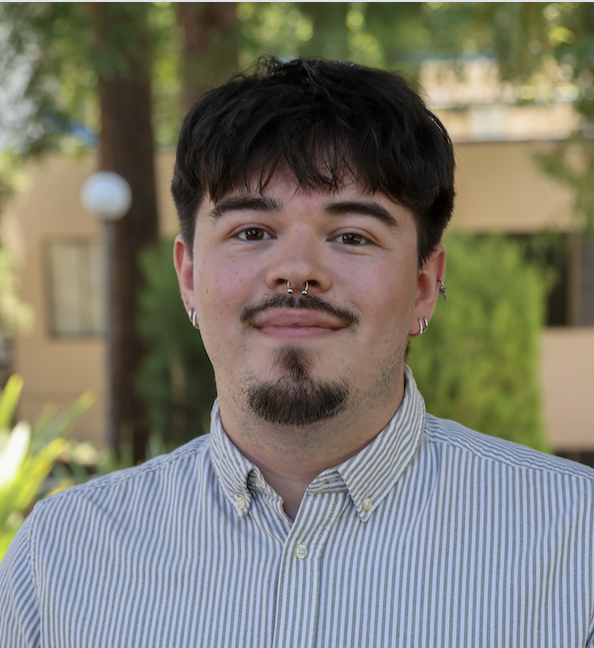
Alejandro Ramirez
I am a current Ph.D. student in Latin American and Latino Studies (LALS) at the University of California, Santa Cruz, developing my research focused on tourism, globalization, and gender studies with a regional focus on Brazil. I recently completed my Fulbright Study and Research grant, partnered with UFBA in Salvador, Bahia, examining identity formation and stigma on dating apps targeting MSM and gay relationships. As a graduate student representative, I aim to connect the new cohort and generation of scholars like myself with the established academic community around the globe. Although currently based in North America, the connections I established during my Fulbright tenure remain strong in Brazil. My work aims to continue to bridge scholarship and discussion between nations and languages through text translation and case studies that consider the globally connected digital world. My goal is to take an approach that centers human connection between scholars to bridge fields of study and work. BRASA offers a space for geographically distant scholars to enter conversation beyond the page and build networks through face-to-face interactions that follow them back home. These networks are the crux of academic journeys and trajectories, for students and working academics alike. Networks put your work in conversation. They challenge your ideas and create room for you to grow. My primary goal as a graduate representative would be to work alongside the executive board in centering network building and connections across disciplines, generations, and international borders.
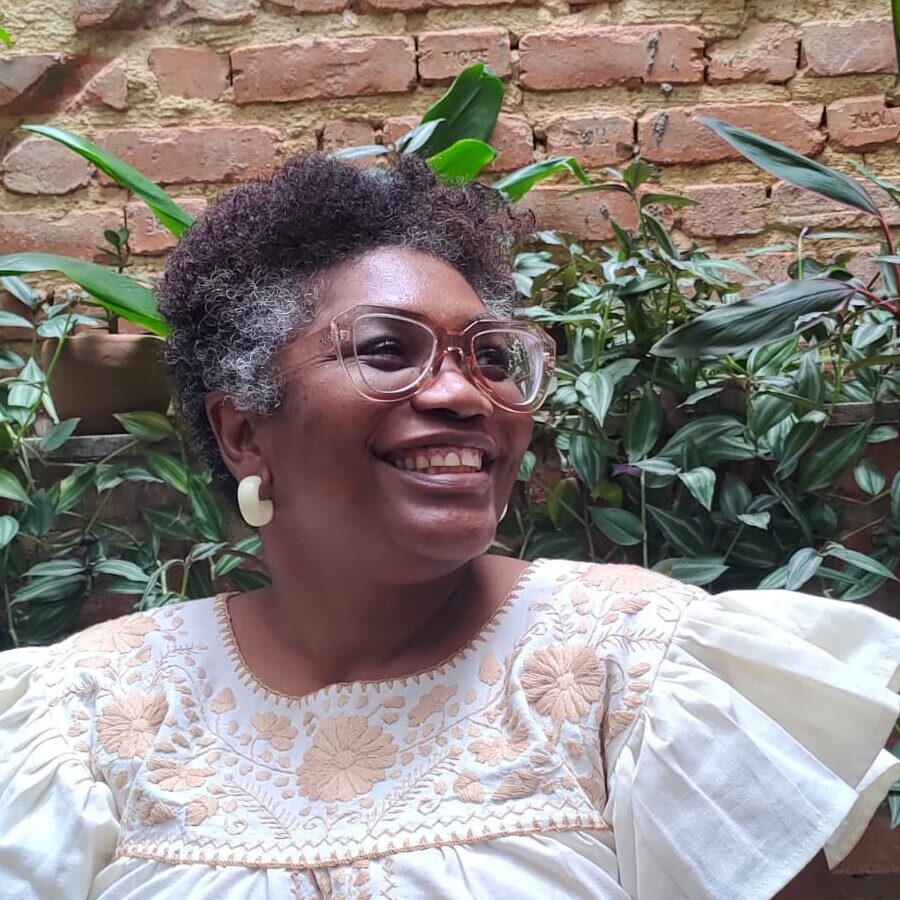
Ana Paula Alves Ribeiro
Anthropologist, Adjunct Professor at the Faculdade de Educação da Baixada Fluminense (FEBF – Pedagogy, Teacher Training Department/UERJ), of the Postgraduate Program in Art History (PPGHA/UERJ) and the Postgraduate Program in Cultures and Territoriality (PPCULT/UFF). Fellow of the Program of Incentive to Scientific, Technical and Artistic Production, PROCIÊNCIA/UERJ, is a researcher at the Núcleo de Estudos Afro-brasileiros (NEAB/UERJ, 2006 – ), coordinator of the extension program Afro Digital Museum of Rio de Janeiro (UERJ, 2019 – ), also a member of its board of curators and editors, as well as the Laboratory of Artistic Experimentations and Creative Reflections on Cities, Health and Education (LEARCC, UERJ and Fiocruz, 2016 – ). She also works with cinema and visual arts curation and education, having been one of the curators of the Encontro de Cinema Negro Zózimo Bulbul Brasil, África, Caribe e outras Diásporas in 2020 and 2021. She is part of the Curatorial and Editorial Board of the UERJ Exhibition Coordination (COEXPA), where she has been developing collective curators for the university’s galleries since 2022.Has experience in the areas of Anthropology (of Cinema, Visual, Urban and Afro-Brazilian Populations) and Research Methodology. She also works with curatorship and and visual arts and researches the following themes: Images of the Cities (Photographs, Public Art, Urban Art, Performances), Cinema and the City, Black Cinema, Visual Culture, Black Museums, Afro-Digital Museums, Afro-Brazilian Culture, Public Policies and Ethnic-Racial Relations and Education. She has collaborated with Associations since 2006, having been part of the Brazil Section, of the Latin American Studies Association/LASA (2006-2009), as well as the Brazilian Anthropology Association (ABA, since 2012), in which she participated in 3 managements of the Anthropology Committee Visual (CAV). Participating in Brasa since 2002, she would like to work on behalf of the Association and promote its congresses and the possibilities for dialogue between colleagues.
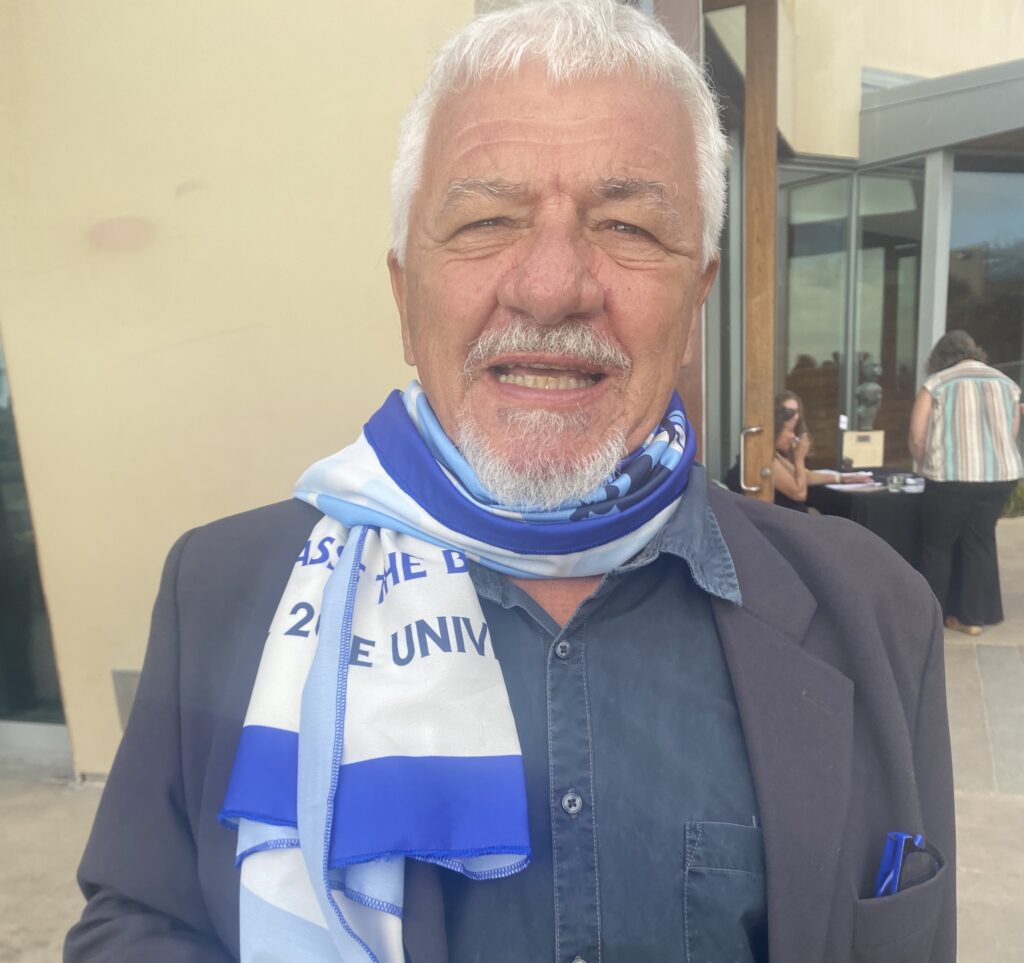
Livio Sansone
Livio Sansone (Palermo, Italy, 1956) got his PhD from the University of Amsterdam and has been living in Brazil since 1992, where he is full professor of anthropology at the Federal University of Bahia (UFBA). He is the head of the Factory of Ideas Program – an advanced international course in ethnic and African studies – and coordinates the Digital Museum of African and Afro-Brazilian Heritage. His best-known book in English is Blackness Without Ethnicity. Creating Race in Brazil (New York: Palgrave, 2003). His articles in English are available in the on-line journals Vibrant, Codesria Bulletin, Historia, Ciencias, Saude, Berose and Rockefeller Archive Center Research Reports. His most recent books are La Galassia Lombroso, l’ Africa e l’ America Latina (2022, Laterza, Italy) and Field Station Bahia. Brazil in the work of Lorenzo Dow Turner E. Franklin Frazier, Frances and Melville Herskovits – 1935-1967 (2023, Brill, Leiden) – both are being published in Portuguese in 2023 by EDUNICAMP. Over the last years, his research has been on the circulation of ideas of race and emancipation between Southern Europe, Africa and Latin America, the transnational making of Afro-Brazilian anthropology in the 1940’s and the cosmopolitan nationalism of Mozambican independence leader Eduardo Mondlane. He is a member of the Africa Multiple Program of the University of Bayreuth, Germany. He plans to help organize the 2026 BRASA Congress at UFBA and to organize within that congress (actually, immediately afterward) a special session of the doctoral school Factory of Ideas devoted to a critical reflection on the making of Brazilianists and, more generally, the advantages and disadvantages of a national focus (often constructed from without or in a transnational fashion) in a context where the South-South perspective, especially towards Africa and the rest of Latin America, is gaining more and more attention.
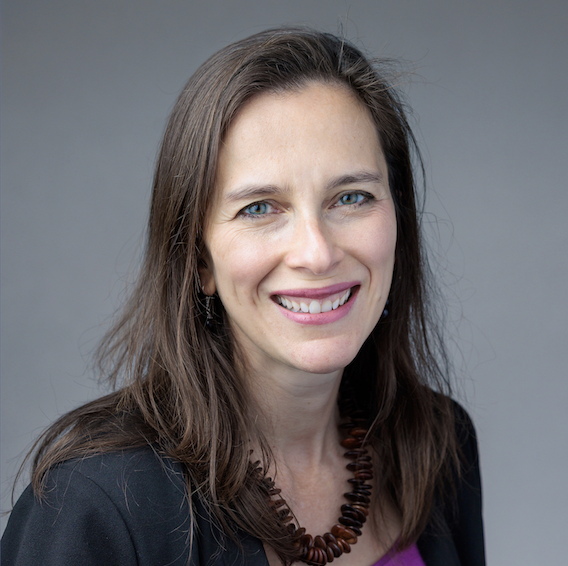
Victoria Saramago
Victoria Saramago is associate professor in the Department of Romance Languages and Literatures at the University of Chicago. She holds a PhD in Iberian and Latin American Cultures from Stanford University and an MA in Luso-Brazilian Literature and Portuguese Language from the State University of Rio de Janeiro. Her research covers twentieth- and twenty-first-century Latin American literature, with a focus on Brazil. It works in the intersection of ecocriticism and fiction theory, with a special focus on representations of forests and rural areas in Latin America, Luso-Hispanic dialogue, environmental and energy humanities, and fiction theories. Her most recent book, Fictional Environments: Mimesis, Deforestation, and Development in Latin America (Northwestern UP, 2021), investigates the dynamic relationship between fictional images and real places, as the lasting representations of forests, rural areas, and deserts in novels that clash with collective perceptions of changes such as deforestation and urbanization. She has co-edited The Handbook of Latin American Environmental Aesthetics (De Gruyter, 2023) and Literature Beyond the Human: Post-Anthropocentric Brazil (Routledge, 2022). She is also the co-editor of two special issues: O Antropoceno na perspectiva da análise histórica (Topoi: Revista de História, 2023) and Narratives of the Apocalypse (Journal of Lusophone Studies, 2022). She has received a year-long fellowship from the National Endowment for the Humanities to complete her current book project, which examines the role of electricity in Brazilian cultural production and is under contract with MIT Press.
Paula Silva
I have great admiration for the proposal of the Brazilian Studies Association (BRASA) and have already participated in several editions of the congresses, either presenting papers or in Roundtables. The themes I have addressed in these Congresses express well what my academic and intellectual production has been, dealing with racism and affirmative action (2004, Rio de Janeiro; 2010, Brasília), student and faculty mobility in cooperation projects between Brazil and the United States (2006, Nashville, where I also completed my post-doctoral studies), gender and intersectionality (2014, London; 2016, Providence; 2018, Rio de Janeiro), and female leadership in Capoeira Angola (2008, New Orleans). In these last three Congresses, my participation took place in Roundtables. In New Orleans, I acted as Coordinator, and the Roundtable was followed by a capoeira circle with the participation of many women, including the presenters. I am a Full Professor in the Department of Sociology at the Federal University of Bahia and have extensive experience in institutional work at the Brazilian Sociological Society, where I coordinated the Research Committee on the Sociology of Ethnic-Racial Relations from 2013 to 2025, and was part of the board in the 2023-2024 and 2024-2025 terms. I am certain that at this point in my career, I can contribute significantly to the Brazilian Studies Association based on these previous experiences in institutional work and the transnational networks I have built, especially with colleagues from Brazil and the United States, but also from other countries in the Global South. My work as an anti-racist and feminist activist, and founder of the Nzinga Capoeira Angola Group, which has been in existence for 30 years, will also enrich my work at the Brazilian Studies Association (BRASA).
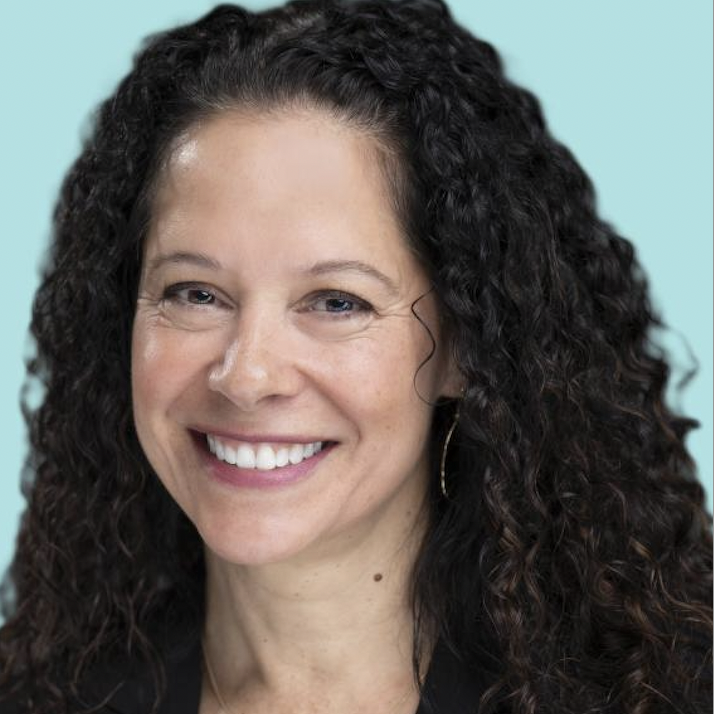
Jennifer Duhamel Administrative Director

Antonio Luciano Tosta
Executive Director
 Português
 English